
In this guide, you’ll learn about
|
You’re probably wondering whether digital marketing is still worth the investment or whether the hype has peaked. The answer is simple: the digital marketing scope in future is growing, but the way businesses use it is changing. The future of digital marketing will include more channels, automation, AI, personalised marketing, and a stronger focus on results.
In India, businesses are increasing their digital ad spend across search, social media, and other digital channels. This creates new opportunities in digital marketing careers and digital marketing jobs. If you’re asking what the scope of digital marketing in the future is, the answer is clear: marketers will need stronger digital marketing skills, marketing analytics, first-party data, and omnichannel marketing knowledge to stay competitive.
Global Digital Advertising Spend Is Set to Surpass $1 Trillion
- An industry analysis found that businesses using digital marketing automation see meaningfully higher lead volume at lower cost per lead than those running manual campaigns.
- India’s internet user base keeps climbing, and mobile is now the primary way most of that audience finds and buys from brands.
- A recent industry survey found that a majority of businesses now rank digital channels above traditional advertising in budget priority.
- Search intent still converts higher than most social traffic, because someone typing “best CRM for startups” is closer to buying than someone scrolling a feed.
Where the Digital Marketing Scope in Future is Growing the Most?
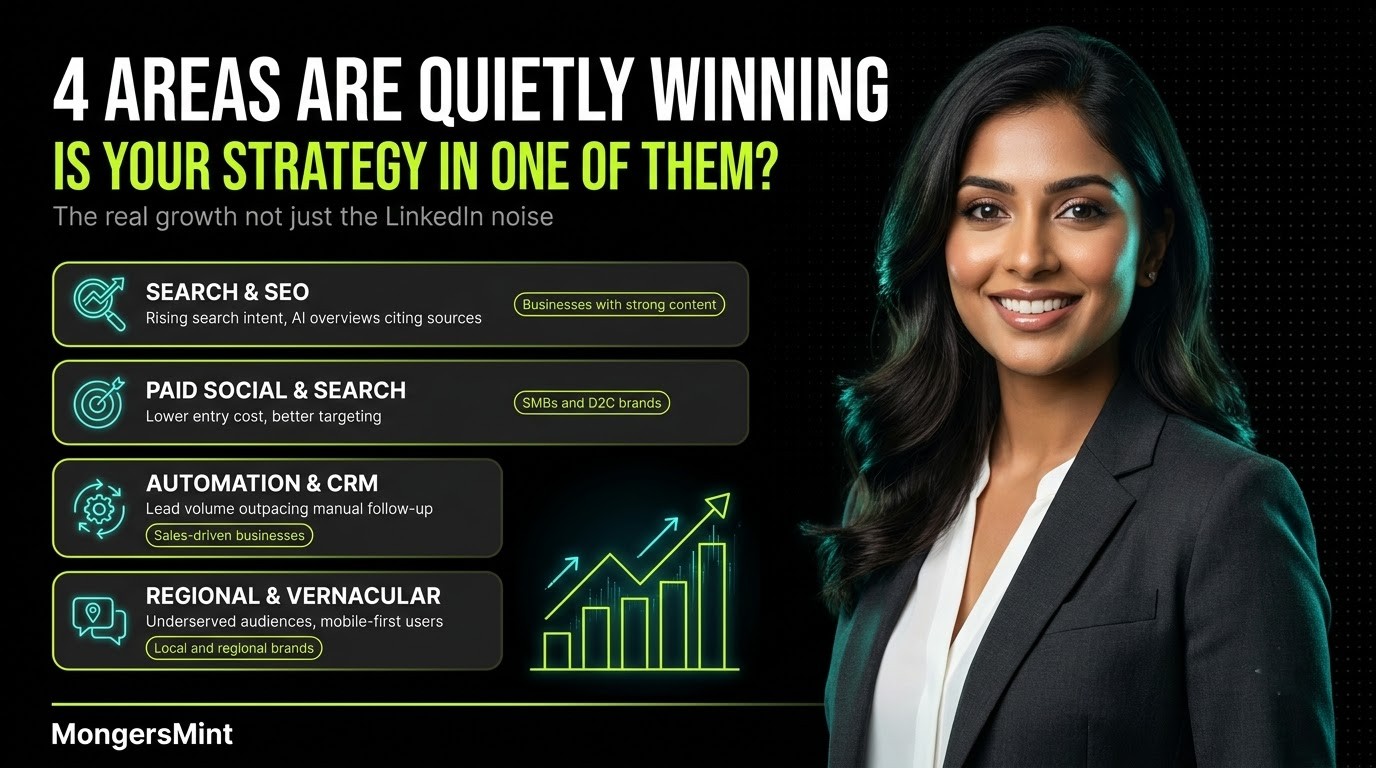
You don’t need another list of buzzwords. You need to know which digital marketing trends are genuinely growing versus which ones are just loud on LinkedIn.
The digital marketing scope in future breaks down into a few concrete areas. Paid media is getting more automated but also more competitive, so the marketers who win are the ones who understand bidding logic, not just creativity. Organic search is not dying, whatever you’ve read. It’s getting harder to fake, which is different.
How Small and Mid-Sized Businesses Are Driving a Lot of This Growth in 2026?
Big enterprises get the headlines. But a large share of the future scope in digital marketing growth is coming from small and mid-sized businesses that couldn’t afford traditional advertising and now can run a targeted campaign for a fraction of the cost.
That shift is a core part of the digital marketing scope in the future: fewer big-budget brand campaigns and more performance-driven local and regional work.
Why Regional and Vernacular Content Is an Underrated Growth Area?
Many articles overlook this important opportunity. The scope of digital marketing in India is different from the global market because local-language content and hyperlocal targeting can help brands reach audiences that English-only campaigns may miss. If you’re asking what is the scope of digital marketing in future from an Indian perspective, regional and vernacular marketing could become one of the biggest growth opportunities for businesses.
| Growth Area | What’s Driving It | Who Benefits Most |
| Search and SEO | Rising search intent, AI overviews citing sources | Businesses with strong content |
| Paid social and Search | Lower entry cost, better targeting | SMBs and D2C brands |
| Automation and CRM | Lead volume outpacing manual follow-up | Sales-driven businesses |
| Regional and Vernacular | Underserved audiences, mobile-first users | Local and regional brands |
That’s the opportunity side. Now let’s get into what’s actually changing the day-to-day work.
Also Read: How to Generate Leads in Digital Marketing?
How AI And Automation Are Reshaping The Future Scope Of Digital Marketing?
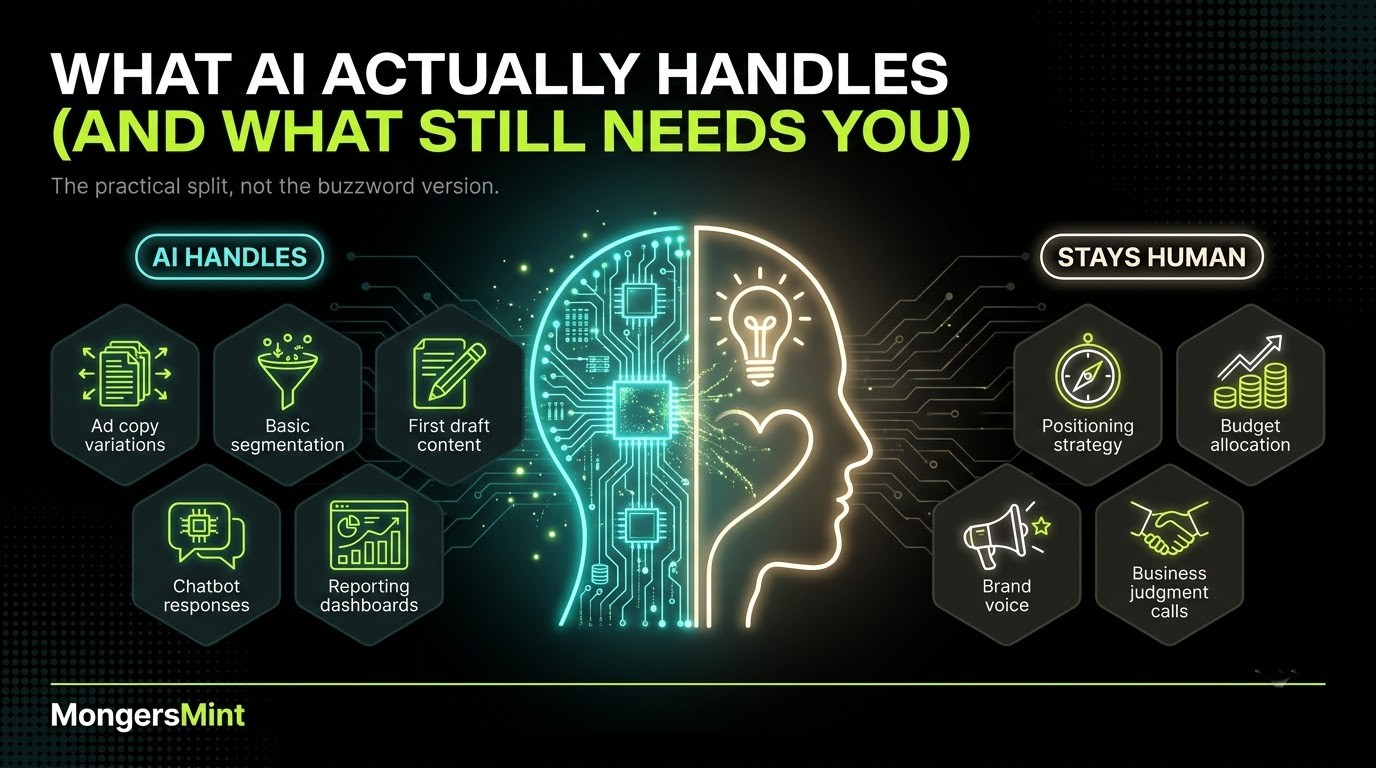
Every article you’ve read this year mentions AI in digital marketing. Most of them don’t tell you what it actually changes inside a campaign. Here’s the practical version. AI is handling the repetitive layer: ad copy variations, basic segmentation, first-draft content, chatbot responses, and reporting dashboards. It is not making strategic decisions about positioning, budget allocation, or brand voice. Those still need a person who understands the business.
That distinction is exactly what defines the digital marketing scope in future for the people doing this work. The marketers who treat AI as a tool for speed will outproduce those who don’t. The ones who treat it as a replacement for strategy will get outcompeted by the ones who don’t.
| 💡 Expert Insight: Businesses succeed with AI by knowing what to automate and what should stay human. As AI tools improve, they should review this balance regularly. |
Why First-Party Data is Becoming the New Battleground?
With third-party cookies fading out, first-party data, the information businesses collect directly from their own customers, is what personalised marketing now runs on. Businesses that built a CRM and email list early have a real advantage here. Businesses that didn’t are scrambling to catch up.
This is also where a lot of businesses lose leads without noticing, not from lack of traffic, but from lack of a system to catch and follow up on the traffic they already have.
| MongersMint’s Growth Suite platform addresses this gap by bringing lead capture, automated WhatsApp and email follow-ups, and campaign reporting into one dashboard. This helps businesses respond to leads quickly instead of letting potential customers move to competitors. It is a practical example of omnichannel marketing, where WhatsApp, email, and ads work together in one system. For businesses looking to make the most of the digital marketing scope in future, this connected approach can make marketing more organised, faster, and easier to measure. That follow-up layer matters as much as the ad spend itself. |
What Does the Future Scope of Digital Marketing Mean for Careers?
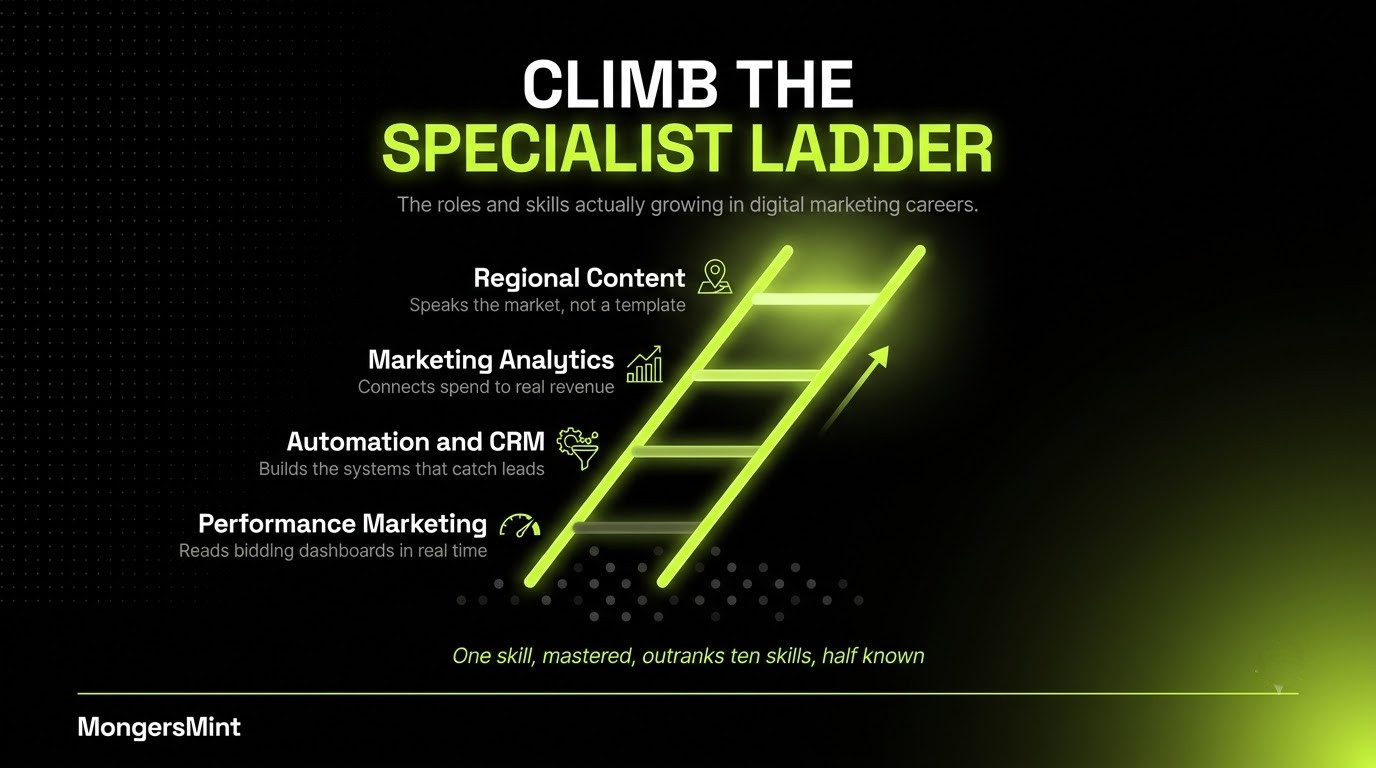
If you’re weighing digital marketing careers rather than a business decision, the picture is a little different but just as strong. That specialisation shift is where the digital marketing scope in future gets real for individual careers, not just company budgets.
Digital marketing jobs are shifting from generalist postings to specialist ones. A marketer who’s genuinely good at paid media bidding, or conversion-focused analytics, or automation workflows is more valuable right now than someone with a surface-level understanding of everything.
The Roles Growing Fastest:
- Performance marketing specialists who can read a bidding dashboard and adjust in real time
- Marketing automation and CRM specialists who set up the systems that catch and nurture leads
- Marketing analytics roles that connect campaign spend to actual revenue, not just clicks
- Regional content creators who understand a specific market’s language and habits, not a generic template
That list also tells you what to skip. Broad “I do everything” resumes are getting harder to place. Specific, provable digital marketing skills in one lane travel further than shallow knowledge of ten.
| 💡 Expert Insight: Junior marketers who specialise in one area and become good at it within two years often earn more than marketers who remain generalists for five years. Being a generalist used to be a safe choice, but today, specialised skills can offer better career opportunities and higher earning potential. |
What are the Marketing Skills That Are Growing Fast in 2026?
Businesses are investing more in digital channels, automation, analytics, and AI-driven workflows. These skills can help marketers stay competitive and create stronger career opportunities.
| Skill Area | Why It’s Growing | Entry Difficulty |
| Paid media (Google/Meta Ads) | Budgets shifting online fast | Moderate |
| Marketing automation/CRM | The lead follow-up gap is widening | Moderate |
| Analytics and reporting | Businesses demanding proof of ROI | Higher |
| AI-assisted content ops | Speed is now expected, not optional. | Lower |
The right skill can make a big difference, but knowing which area to specialise in is only the first step. Next, let’s look at how these skills can shape your career growth and earning potential.
Also Read: How to Get Leads for Business?
Digital Marketing Scope in Future: What to Do With This Right Now in 2026?
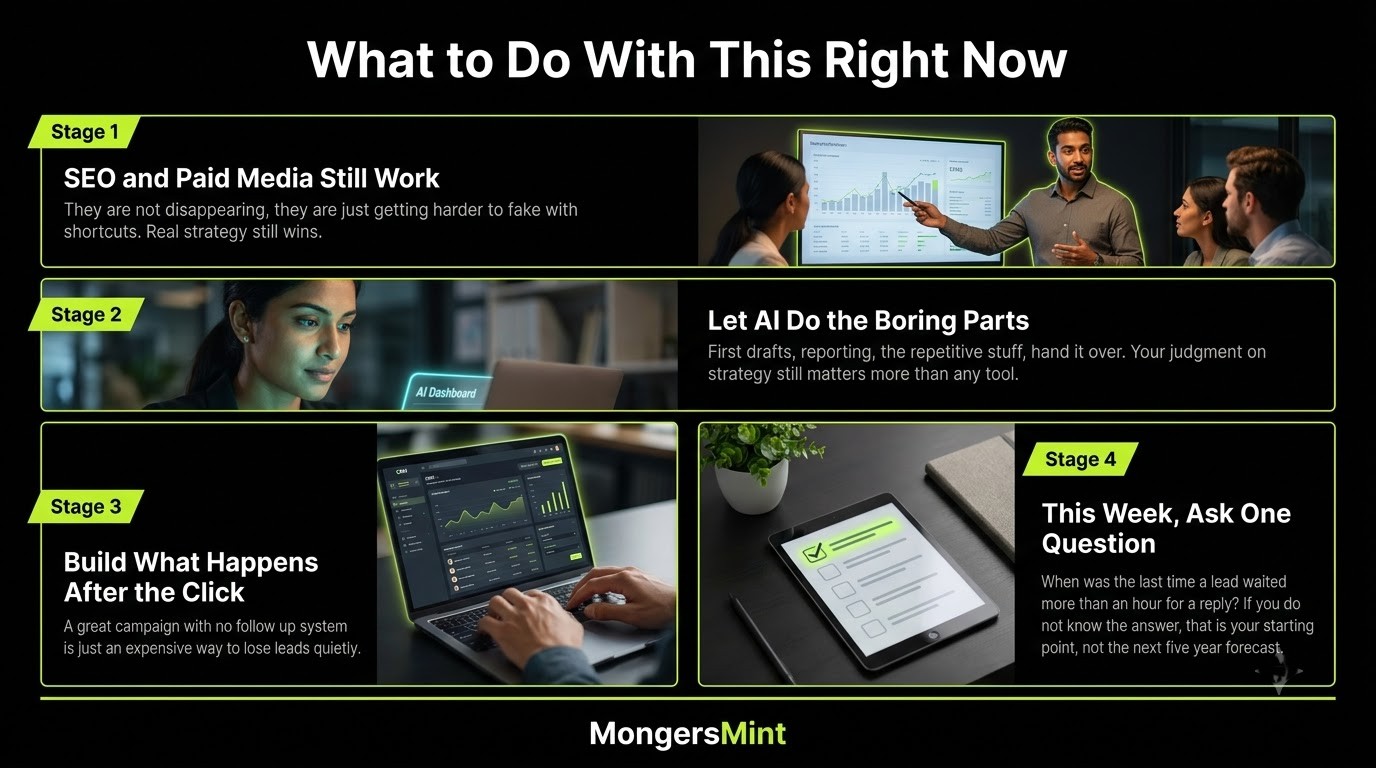
You don’t need to change everything this month. You need to make one clear decision about the digital marketing scope in future and how it applies to your own goals, not just the industry.
If you’re a business owner, the question isn’t whether to invest in digital marketing. That’s already clear. The real question is whether your current system can properly manage and follow up with the leads you generate. If you’re planning a career move, choose one speciality from the list above and build strong skills in it before trying to learn everything.
Digital marketing scope in the future?
The digital marketing scope in future is wide, but it’s not evenly distributed. It’s concentrated in automation, first-party data, and specialisation for businesses and professionals alike.
Three things worth remembering: the channels aren’t going away, AI is a speed tool and not a strategist, and the businesses and marketers who win are the ones building a real system for what happens after the click. Pick one gap from this article and fix it this quarter, whether that’s your lead follow-up process or your own skill stack. That’s a more useful answer than another prediction about where the industry will be in five years.
How MongersMint Can Help?
MongersMint can help businesses turn their digital marketing efforts into a complete lead-to-customer system. Instead of managing ads, leads, follow-ups, and reports separately, its Growth Suite brings these activities together in one place.
- Capture Leads: Collect leads from your digital campaigns in one system.
- Automate Follow-Ups: Send timely WhatsApp and email messages so leads don’t go unanswered.
- Manage Customer Conversations: Keep track of leads and follow-ups without switching between multiple tools.
- Track Campaign Performance: Monitor important metrics and see which campaigns are generating results.
- Support Omnichannel Marketing: Connect ads, WhatsApp, email, and lead management into one workflow.
- Save Time: Automate repetitive follow-up tasks so your team can focus on qualified prospects.
For businesses looking to make the most of the digital marketing scope in future, MongersMint can help build a more connected process from attracting a prospect to following up and measuring the final results.
Ready to turn more leads into customers? Explore MongersMint Growth Suite and simplify your marketing workflow.
Frequently Asked Questions (FAQs)
Q1. Is digital marketing a good career choice in the future?
Yes, particularly for people who build one deep specialty like paid media, automation, or analytics instead of staying a generalist. That's where the digital marketing scope in future is heaviest right now, and demand for specialists is growing faster than demand for broad, surface-level skills.
Q2. What is the Scope of Digital Marketing in Future for Small Businesses?
Small businesses are one of the biggest drivers of growth here, since digital channels let them compete on targeting and cost instead of raw ad budget. The gap most of them miss is following up on leads fast enough.
Q3. Will AI replace Digital Marketers?
Not the way it used to, no. Google leans on content quality and search intent match now. Stuff the keyword in, and you'll probably hurt readability more than you help rankings. Natural placement wins.
Q4. What Skills Should I Learn For Digital Marketing's Future Scope?
Paid media bidding, marketing automation, CRM tools, and analytics are the strongest bets right now. Pick one and go deep rather than trying to learn everything at once.
Q5. Is SEO Still Part of the Future Scope of Digital Marketing?
Yes, and so is voice search marketing. Search intent still converts higher than most social traffic, and AI-driven and voice search results are pulling from well-structured, credible content more than ever.
Q6. How is the future scope of Digital Marketing different in India?
India's growth is coming from mobile-first users, rising internet penetration, and regional or vernacular content that most brands still aren't investing in.